Call or Text: (972) 269-5639

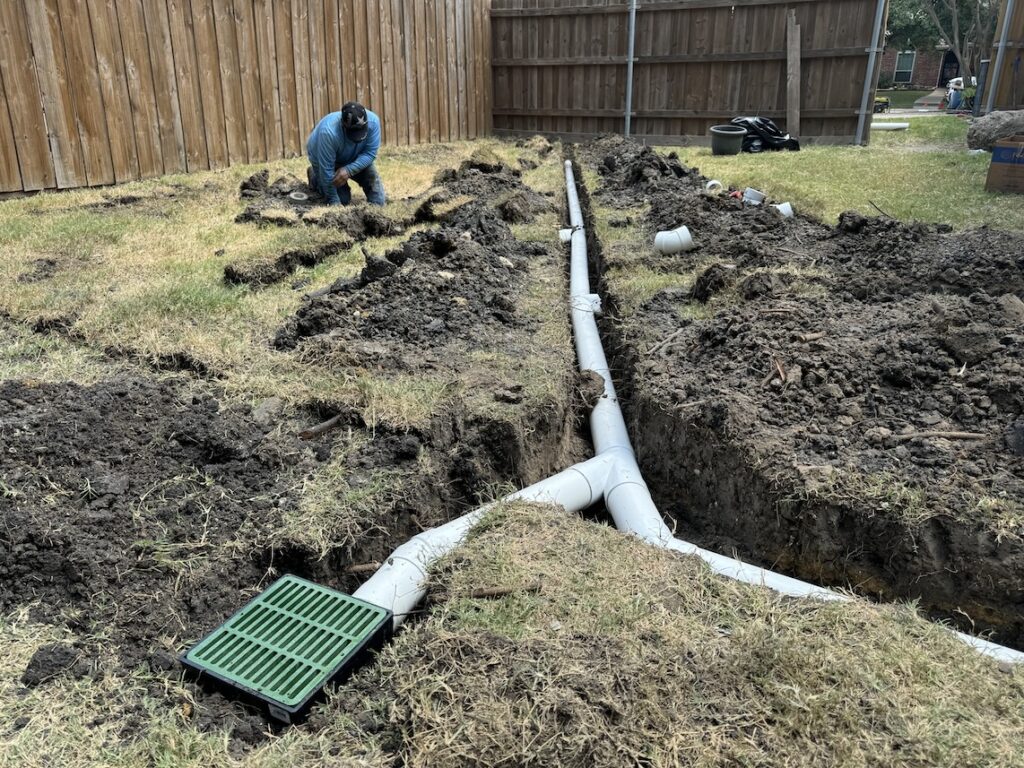
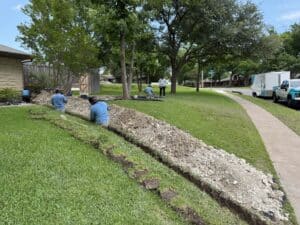 The cost to install a drainage system, whether that be a standard yard drain or a more complex French drain system, can be pretty high. A very basic surface drain system can easily run around $5,000 to $6,000. When we move to dealing with a groundwater source and installing engineered-depth, footer French drains, the cost can quickly double. Of course these prices will depend on the size of your home and the property it sits on, but add in a sump pump or some shallow bedrock, and you begin to understand why drainage can cost so much… However, expensive as this may be, it is not the complete picture. A drainage problem can cost far more than this to fix, especially if it’s not addressed correctly or in a timely manner — Let’s take a look…
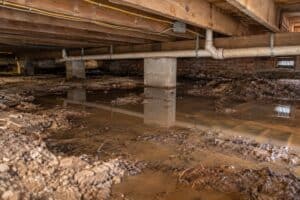 When you have poor drainage at your house, there’s a myriad of problems that can occur. Poor drainage affects your home’s foundation, and if the foundation is off, you can soon find that a lot of other things are too. Hydrostatic pressure caused by standing water and saturated soil can cause a foundation to heave and sink, going up and down with the changing seasons. When this happens, you see things like cracks in the drywall, damage to flooring and separation between mortar joints. While these are unattractive and can be expensive to repair, there are worse (and far more costly) things that can happen, such as separation of a sewer line. When a house lifts or heaves, it will take the plumbing with it, potentially causing a break in one or more of the lines, such as the main sewer drain. Repairing this can be excruciating, easily costing $20,000 if not much more! Of course, without the drainage issues fixed, this same problem could happen again, putting you back in the position of needing to make further repairs. We haven’t even mentioned fixing the foundation itself. Foundation repair work can run upwards of $10,000 as well, leaving your total potential out of pocket expense at close to $50,000… (These are numbers we’ve heard reported directly from our own clients.)
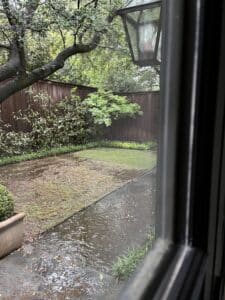 The aesthetic problems caused by improper drainage are an issue as well. It can be frustrating and concerning to feel unevenness when you walk across the floor or to see cracks appear in the sheetrock. Imagine working to create a beautiful living space, only to have a gaping eight foot crack looming over your seating area. Besides the actual expense of repairing this every year, the headache of dealing with that has its own cost as well. Improper drainage can also effect your outdoor spaces. How about the side yard that’s always muddy and is basically unusable? A soggy yard is a frustration all on it’s own, whether or not it’s a source of your foundation woes. Having to avoid parts of your yard all the time is an annoyance and a waste, but it doesn’t have to be this way. By dealing with the poor drainage, you can not only prevent damage to the home, you can also take back your yard to enjoy and use.
When it comes to home ownership, the key to fewer headaches and reducing costs is to be proactive. Having proper drainage at your property to address the problem areas is the way to do this. You don’t necessarily need drainage everywhere – quite often it is one side of the house that is the issue. Grade and slope play crucial roles in determining where the water flows, and if your home is in the path of that flow, it becomes the problem. What a proper drainage system does is divert the water around your home, so it doesn’t have a chance to work against things like the foundation. Remember, water is very powerful (think Grand Canyon) and will work against standing structures if not managed correctly.
So when it comes to the true cost of drainage, consider all the other parts of a home that improper drainage can negatively impact: cosmetic features such as drywall, critical functions such as plumbing, and structural components like the foundation (not to mention the emotional toll of the frustration that comes with any of these things failing.) From a big picture perspective, the cost of not fixing bad drainage will likely be more than fixing it correctly in the beginning. The important thing here is that the drainage must be addressed correctly. We dig up a lot of old drainage during the course of our projects, and often find the existing system to have been installed incorrectly. It is a nuanced field that requires a certain understanding of the physical property of water – how it behaves both above and below ground. You’d be surprised by the bizarre things we see buried underground – things that are constructed with drainage components, but that don’t actually drain anything. So this would be the final thought – the most cost-conscious approach isn’t just one that addresses the drainage quickly, it’s one that addresses the drainage correctly. This way, you don’t have to come back and do it again.